Triage your agent platform as a credential vault after Langflow's exploited CVE-2026-0768
Treat self-hosted agent orchestration platforms as production credential vaults, then run a fast breach triage after an exploited flaw.
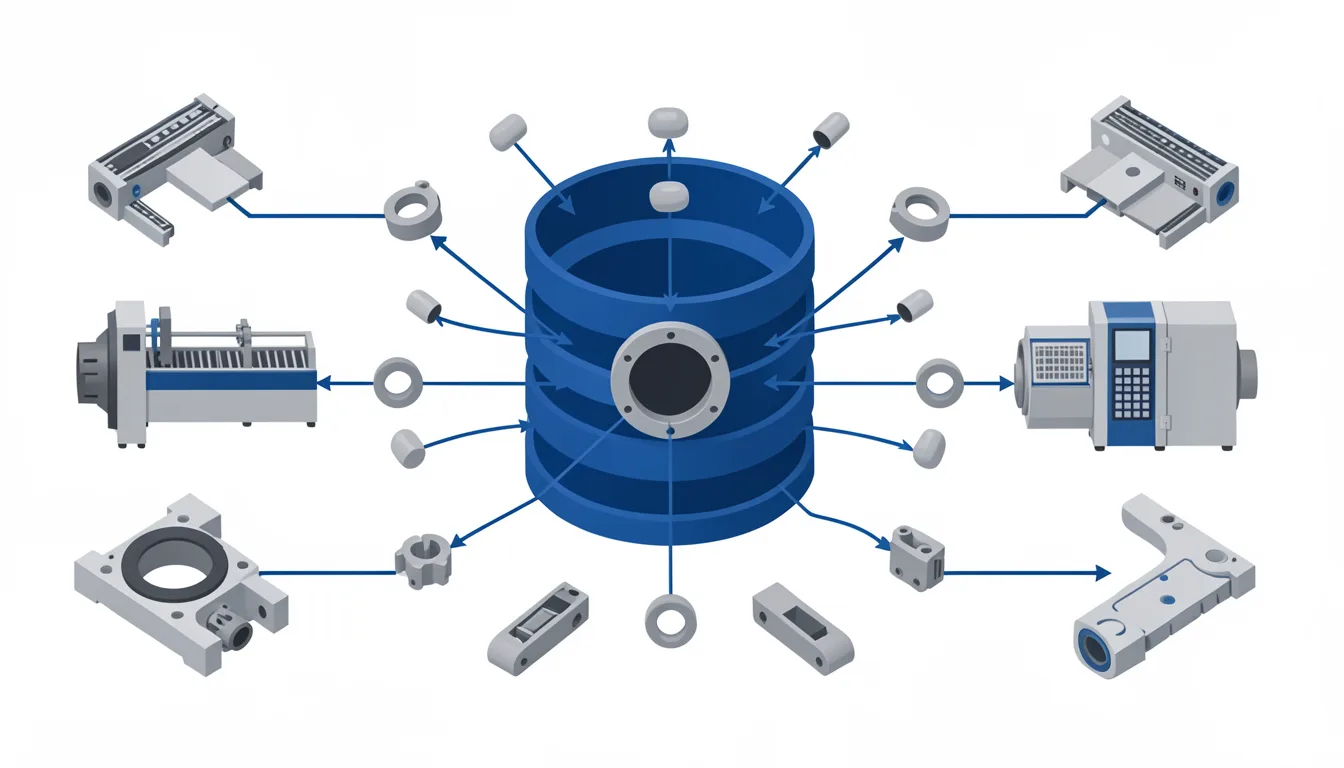
If you self-host an agent platform, it is a credential vault. Langflow's CVE-2026-0768, rated CVSS 9.8, was exploited in the wild in early September 2026, about eight months after its January 2026 zero-day disclosure.
VulnCheck's honeypot network recorded more than 50 exploitation detections within hours of August 29-30, 2026, and more than 360 detections by the following Monday, with most traffic traced to Russia. Attackers who gained code execution through the Langflow validate endpoint searched for environment variables named LANGFLOW_SUPERUSER, OPENAI_API*, AWS_ACCESS*, and AWS_SECRET* to collect credentials.
Triage the instance as a breach
Treat the platform as production infrastructure that aggregates secrets. The incident is a credential breach until proven otherwise. The first step is inventory. You cannot rotate what you cannot find. Tag each instance with owner, version, network exposure, and the secrets it can reach. Record the time you found the exposure, the installed version, and the credentials in scope.
- Verify the installed version. CVE-2026-0768 affects Langflow releases through 1.4.2, so mark 1.4.2 or older affected.
- Treat any instance with an internet-reachable UI or API as compromised.
- Rotate the model, cloud, and database credentials stored in the platform.
- Disable IMDSv1, the legacy cloud metadata path, on the host or container runtime.
- Segment Postgres and Redis from the app container.
- Put the platform on a production patch cadence.
Isolate the instance before you patch it. Preserve logs, container state, and outbound connections. Capture the container image identifier and the last known good configuration before changes. Check for persistence in the container: new users, keys, cron jobs, webhooks, scheduled tasks, and modified entrypoints. If the platform can reach cloud metadata, assume temporary credentials may have been minted and used.
Rotate credentials in the order the attacker likely used them: superuser access first, then model-provider keys, then cloud keys, then database credentials. After rotation, verify that old credentials no longer work and that new credentials appear only in the intended vault.
A reachable metadata service is a second credential path: it can mint temporary cloud credentials without touching your key store. A compromised app container should not read Postgres or Redis directly; give the app a controlled path to the data stores. Keep the data stores off the app network until the path is reviewed.
The next flaw will not wait for a project to finish. Agent tooling needs the same patch window, rollback plan, and on-call owner as production services.
Exploit volume makes agent tooling production risk
VulnCheck observed 11 more Langflow flaws exploited in the wild during 2026, after just one such issue before 2026. CVE-2026-0768 was the 12th Langflow flaw seen exploited in the wild in 2026 alone.
VulnCheck counted more than 15,000 successful attacks against Langflow instances vulnerable to CVE-2026-0769, CVE-2025-3248, and CVE-2026-5027. The volume makes agent orchestration platform security a production risk. Attackers are working a list, not probing one framework by accident.
Put the platform on a production runbook
Put the platform under the same controls as any service that holds production credentials. Keep that inventory current across every self-hosted orchestration stack. Run the same vulnerability triage, patch window, and rollback plan you use for customer-facing systems.
Limit what the platform can reach. Give it only the model, cloud, and data permissions it needs. Keep secrets out of environment files where possible, and use short-lived credentials where the platform supports them. Alert on new outbound destinations, credential creation, and changes to the app container.
Keep a short runbook for the common paths: model-provider key, cloud access key, database password, and service token. The runbook should name the owner, the revocation command, and the verification step. Test the runbook regularly. Store the runbook where on-call can reach it during an incident. When a critical flaw lands, the response should be mechanical.