AI Agent Workflow for 48-Hour False DMCA Recovery
A five-step agent workflow detects delisted URLs, verifies the complaint, assembles proof, drafts the counter-notice, and tracks index recovery.
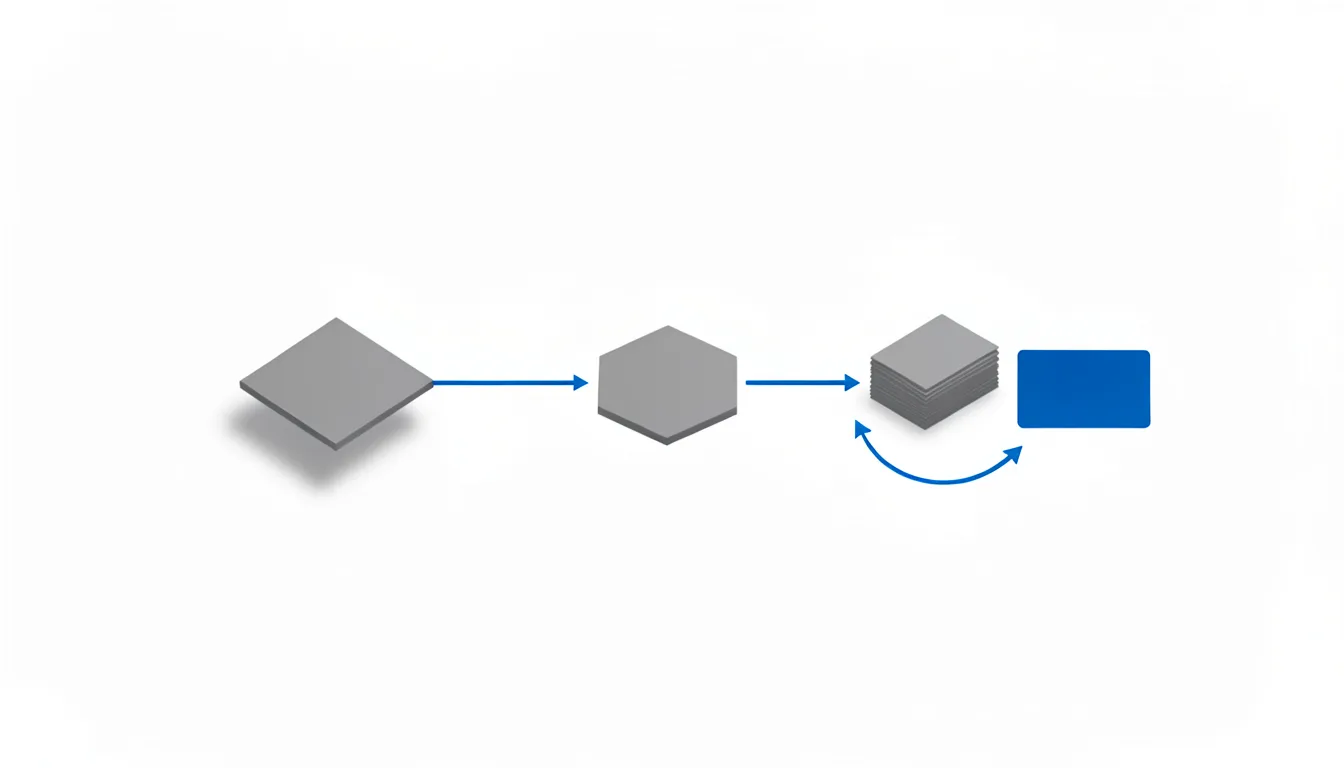
A false DMCA takedown can remove revenue pages from search results before the operator sees the complaint. Build a repeatable AI agent workflow to respond. Legal tech can handle the first pass, but the site operator still owns the decision. The workflow gives the operator a record of what was removed, what was submitted, and when the pages return to search results.
- Detect delisted URLs and complaint references.
- Verify the complaint before drafting a response.
- Assemble ownership evidence for the dossier.
- Draft the statutory counter-notice for human review.
- Submit through a Designated Agent and monitor recovery.
Detection starts with two feeds
Pull impacted URLs from Google Search Console and Lumen complaint records; a Google DMCA removal is visible in search results as a legal notice tied to the Lumen Database complaint. Reconcile both lists before any legal work begins. The step is complete when every affected page is identified.
Run detection on a schedule, not only after a traffic drop. Compare the current index state with the site’s internal page list. Flag pages that were indexed yesterday and are gone today. Flag pages that appear in a complaint but not in Search Console. Output a list with URL, complaint reference, first seen, and suspected cause. The output should be usable by the operator and counsel. Speed matters: the operator should know the scope before the complaint text is read.
Verification separates a false claim from a real one
Verify the complaint before drafting anything. The visible notice is a signal, not a verdict. The operator needs the complaint text, the claimed right, and the matching URLs. If the claim is false, the next step is a counter-notice, not a content takedown. Classify the claim as valid, false, or unclear before moving on.
Separate three questions: Did the complainant identify the exact page? Does the claimed right match the content? Is the complaint tied to a Lumen Database record? If any answer is unclear, stop and request the missing document. A false claim often shows a mismatch between the named page and the actual content. Record the mismatch in the dossier. A quick classification prevents the team from drafting a counter-notice for a claim that may be valid.
Evidence and counter-notice carry the legal weight
Use Wayback Machine timestamps and publication records as ownership evidence. The dossier should show when the content existed, who published it, and why the complaint misses the mark. For dated posts, the archive trail is the fastest proof. For brand-protection teams, add the domain owner, publishing account, and internal approval log. Build the dossier before drafting the counter-notice.
Collect the page’s first appearance, author or publisher, and any prior version showing the content was not copied. Add ownership records: domain registration, CMS user list, publishing workflow. If the site uses licensed material, include the license and its scope. The dossier should be ready for counsel if the case escalates.
Draft a counter-notice that satisfies the six statutory elements listed in 17 U.S.C. § 512(g)(3). The agent can prepare the text, but a human reviewer should check it before submission. Submit only a complete document with the required statements and affected URLs. The counter-notice is the legal trigger; the dossier is the proof behind it.
Use plain language and avoid emotional claims. Name the affected URLs, state the operator’s good-faith belief, and identify the ownership evidence in the dossier. The agent can check that every required element is present, but a human should confirm the legal posture. If unsure, pause and route the file to counsel.
Submission and monitoring close the loop
Submit the completed dossier to Google’s Legal Removals team through a registered Designated Agent, then watch the index until the URLs return. Keep a copy of the submission, the timestamp, and the complaint IDs. Keep the file ready for monitoring.
Assign one person to own submission. That person confirms the Designated Agent is registered, the dossier is complete, and the complaint references match the affected URLs. Log the submission time and store the confirmation. If the reviewer asks for more information, respond with the same dossier structure, not a new narrative. One owner prevents gaps between legal, SEO, and brand-protection teams.
DMCA AI states that eligible false DMCA cases should see Google index recovery in a 24-to-48-hour window after dossier acceptance. One SEO agency case saw two Lumen complaints remove 174 URLs, and the first recovery signal appeared about 9.5 hours after the dossier was complete. Check Search Console, live search results, and the Lumen complaint record. If the URLs do not return, escalate to counsel with the full dossier. Confirm recovery when the URLs return.
Monitor actively. Check the index at regular intervals and record each change. Note when a URL reappears and when the legal notice disappears. Compare the recovered list against the original inventory. If some pages return and others do not, isolate the missing pages and prepare a follow-up file. The recovery signal is not the final step; the operator should confirm the pages are stable.