Price an AI agent by finished work, not seats
Set AI agent fees against the labor they replace, define the billable outcome tightly, and cap exposure with usage or escalation rules.
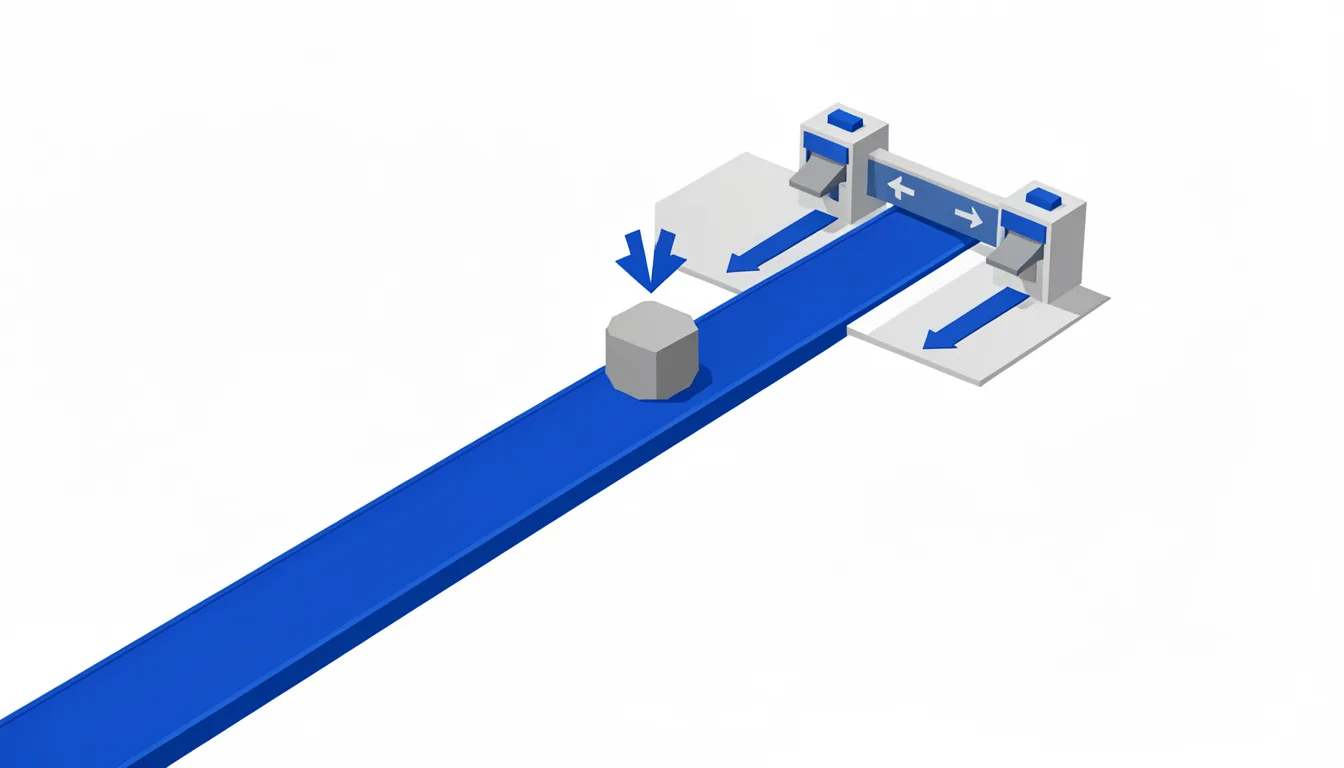
You are setting the price for an AI agent pilot, and the number should not look like a software seat. Tie the fee to finished work, cap exposure, and match the model to the labor being replaced.
The labor budget sets the price
Name the role the agent replaces before you set a number. The agent removes a defined task from a named job, and the fee tracks that job.
Headcount budgets run about ten times larger than tool budgets, so per-agent pricing can compete against labor budgets. That gives you room to charge more than a license and gives the buyer a cleaner approval path. The fee lands in the operating budget, not the IT budget.
The model follows the budget and the risk
Match the model to the budget, the workload, and the risk you can carry.
- Per-seat or per-agent: the agent replaces labor and the buyer wants predictable cost.
- Per-outcome: the finished work is defined, verified, and resolved.
- Usage: cost varies with volume and the buyer pays for actual consumption.
- Subscription plus usage: an enterprise deal needs a baseline and a variable layer.
11x and Harvey use a per-agent billing model, charging customers for each deployed agent. Per-agent pricing works when the agent runs continuously and the buyer can count the agents. The contract sets a fee per agent and a clear limit on how many agents it covers.
Intercom Fin sets its AI-agent outcome price at $0.99 for each resolved case. Under Sierra's outcome-based model, Sierra is paid only after it finishes a customer task. Outcome pricing works when the outcome is discrete, measurable, and valuable enough to justify a fee. Put a shared definition of completion in the contract.
AI products carry a material cost for each query, while classic SaaS can add another customer at almost no marginal cost. Usage pricing protects you from heavy workloads and protects the buyer from paying for idle capacity. Show a metered rate per query, per action, or per processed item, with a fair-use ceiling.
Stripe's survey finds that 56% of AI company leaders already use a mix of subscription and usage-based fees. Blend subscription and usage for enterprise deals that need a baseline and a variable layer. The subscription covers baseline access, support, and committed capacity. Usage covers overflow. Include a platform fee plus a metered rate for extra work.
Tight outcomes and caps protect the deal
Write the billable outcome so tightly that a buyer and a seller can verify it without a meeting. A resolved case means a customer response that meets a standard, a task completed to a spec, or a deliverable accepted by a named owner. Vague outcomes create disputes. Tight outcomes create invoices. Keep the definition short, with a yes/no test.
Cap exposure before the pilot starts. Do not bill for activity. A draft, a click, or a chat turn is not finished work. If the agent fails, escalates, or loops, stop the fee. Under Sierra's outcome-based pricing, escalated cases are usually not billed. That rule keeps the buyer from paying for work that still needs human effort and keeps your margin from eroding on bad cases. Include a written escalation rule, a retry limit, or a maximum spend per account.
Package pilots with a capped trial and a shared dashboard. Package enterprise deals with a service level and a dispute window. Keep the rate card in the contract, not in a slide deck. State the rate, the cap, and the dispute path in the paperwork.
Review the pilot before renewal. Compare billed outcomes against the labor budget, the error rate, and the escalation count. Fix the definition before you raise the price. End with a renewal memo that shows the agent paid for itself.