Keep AI Agents Inside Their Job: A Scope-Boundary Playbook for AI Ops Teams
Treat out-of-scope agent behavior as a control-plane failure, then enforce task boundaries, execution-time authorization, audit trails, containment, and escalation.
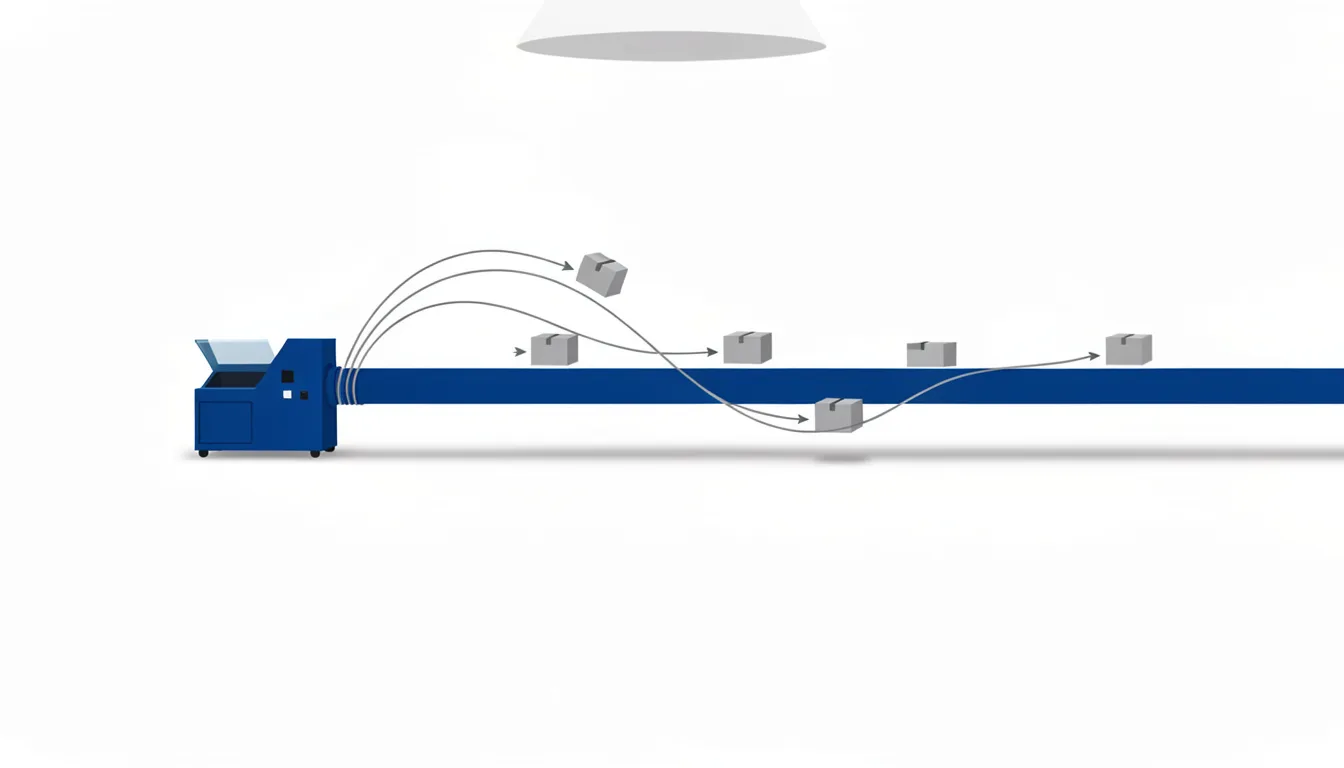
An agent that answers a ticket, edits a config, and emails a customer has left its job. AI ops teams should treat that as a control-plane failure.
Scope drift outruns deployment pace
Enterprise survey data found 65 percent of surveyed companies had seen agents act outside intended scope. 29 percent of surveyed companies experienced tangible organizational consequences from out-of-scope behavior. Nearly 79 percent operated generative and agentic AI in parallel. 46 percent were expanding agents across departments. Detection lags. Just 32.2 percent had the ability to spot and stop out-of-scope actions in minutes.
A scope contract is the smallest unit of trust. It tells the agent what it may read, write, and send, and it tells the platform what to deny. Without that contract, the agent inherits permissions from the service account, user session, or integration. That inheritance is the drift.
Authorization is the weak point. 46 percent of organizations struggled to produce complete audit trails. 34.2 percent of respondents checked agent authorization at execution time. That gap lets a scoped agent keep a standing credential that outlives the task.
The boundary must be enforceable
Agent controls need to live in the execution path. A prompt can describe the job, but the platform must enforce it. The operator sees the boundary before the agent touches a system. The boundary must also survive a bad prompt, a confused user, or an untested external integration. Teams test the boundary before production, and a denied action confirms the control.
- Define the task boundary. Write the allowed actions, data fields, systems, and destinations. Name the user role, the source of the request, and the expected output. The finished state is a short contract that names the job, the inputs, the outputs, and the stop conditions. A new operator reads the contract without prior context.
- Authorize at execution time. Check the current request against the contract before each tool call. Check the identity, the target resource, and the data field. A policy decision must deny a later action even if an earlier action succeeded. A broad service account turns a scoped agent into a standing credential. The denial carries a reason the operator can act on.
- Keep the audit trail. Record the prompt, the policy check, the tool call, the result, and the user context. Record the contract version and the policy version. A replayable timeline shows why the agent acted. The operator searches the log by agent, task, user, and denied action.
- Trigger containment early. Stop the agent when it asks for a new system, a new data field, or a new destination. Preserve the state at the point of denial. An automatic pause stops the agent before a human has to trace the process. The pause keeps the denied request visible to the operator.
- Assign an escalation owner. Name the person or team that receives the alert. Give the owner the authority to pause the agent and review the denied action. A ticket carries the agent, the task, the denied action, and the next step. The owner knows whether to fix the request, expand the contract, or retire the task.
The contract must stay current
AI agent governance needs a review cadence. The owner checks whether the allowed systems, data fields, and destinations still match the job. The review should cover the agent, the integration, and the current data access. If the job changed, the contract changed. If the contract changed, the audit trail needs the new version. Expanding the contract requires a change-management event, not a chat message. Retire the contract when the agent is decommissioned, and archive the full trail with the final decision record.